A Limited Liability Company, or LLC, offers a unique blend of personal asset protection and tax advantages, making it a popular choice for business owners. This structure allows profits to pass through to your personal tax return, reducing the tax burden. You’ll additionally find flexibility in management styles, whether you choose to run it yourself or appoint a manager. Nevertheless, comprehending the nuances of LLCs, including their legal and tax implications, is essential for effective business operation. What else should you consider about LLCs?
Key Takeaways
- An LLC combines limited liability protection for owners with the benefits of pass-through taxation, avoiding double taxation on profits.
- Ownership can include individuals and corporations, with no limit on the number of members, allowing diverse ownership structures.
- Management structures can be member-managed, where all owners participate, or manager-managed, designating specific individuals for daily operations.
- Formation requires filing Articles of Organization and may include an Operating Agreement to outline roles and responsibilities.
- LLCs offer flexibility in profit distribution and fewer regulatory requirements compared to corporations, enhancing business credibility.
What Is an LLC?
A Limited Liability Company, or LLC, is a popular business structure that combines the advantages of limited liability protection with the tax benefits typically found in partnerships. This means you can protect your personal assets from business debts during the enjoyment of pass-through taxation, where income is reported on your personal tax returns.
The new LLC law provides additional guidance on the formation and management of these entities. With a flexible limited liability company structure, you can choose between member-managed or manager-managed options, affecting daily operations and responsibility.
Forming an LLC requires filing Articles of Organization with your state, detailing the LLC’s name, address, and registered agent. Significantly, LLCs can have one or multiple members, including individuals or other entities, allowing for diverse ownership.
This flexibility in structure makes LLCs an attractive choice for many business owners looking to safeguard their interests during benefiting from favorable tax treatment.
Advantages of an LLC

When considering the structure of your business, the advantages of forming a Limited Liability Company (LLC) become quite evident.
First, an LLC provides personal asset protection, meaning your personal assets are shielded from business debts and liabilities, which limits your risk exposure.
In addition, LLCs offer tax flexibility; you can choose to be taxed as a sole proprietor, partnership, or corporation, helping you avoid double taxation.
Forming an LLC also improves your credibility with customers and suppliers, as it involves formal registration and compliance with state regulations, setting you apart from sole proprietorships and partnerships.
Furthermore, LLCs allow for flexible profit distribution, enabling you to allocate profits among members based on your operating agreement rather than ownership percentages.
Finally, maintaining an LLC typically requires fewer formalities and less regulatory compliance than corporations, making it easier to manage while still enjoying distinct legal entity status.
Disadvantages of an LLC
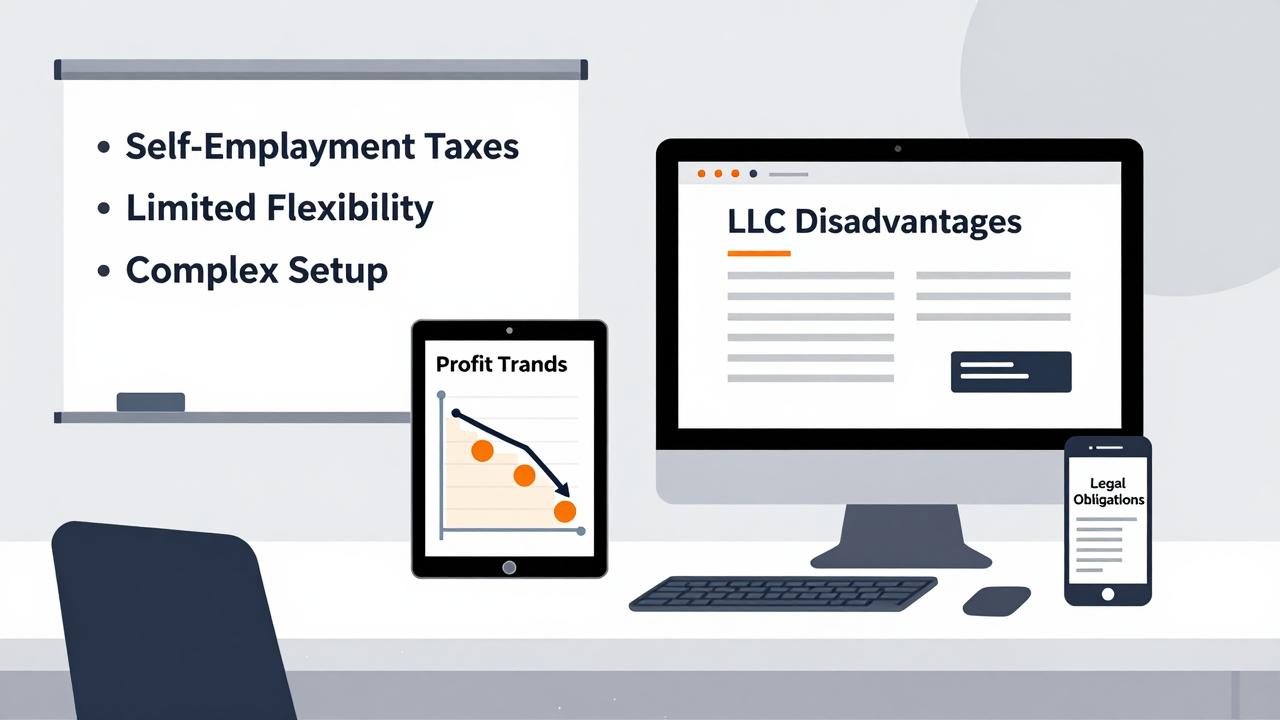
Even though forming an LLC can offer several benefits, it furthermore comes with notable disadvantages that you should consider.
First, LLCs often incur higher formation and ongoing maintenance costs compared to sole proprietorships or general partnerships, which could deter small business owners. You’ll likewise face ongoing compliance obligations, like maintaining a registered agent and filing annual reports, adding administrative burdens.
Moreover, ownership transferability in LLCs is limited; adding new members usually requires existing members’ approval, which can hinder flexibility and growth.
There’s also the risk of “piercing the veil” if the LLC isn’t properly maintained, possibly exposing you to personal liability for business debts.
Finally, different state-specific legal and tax implications can complicate operations and lead to unforeseen costs or compliance issues.
Being aware of these disadvantages is essential for making an informed decision about forming an LLC.
Sole Proprietorship vs. LLC

Comprehending the differences between a sole proprietorship and an LLC is crucial for anyone considering starting a business. A sole proprietorship is owned and operated by one individual, which makes it easy to set up and requires minimal paperwork. Nonetheless, it lacks personal liability protection, meaning your personal assets could be at risk if the business incurs debts.
Conversely, an LLC allows for one or more members and offers limited liability protection, safeguarding your personal assets from business liabilities. Furthermore, whereas sole proprietorships report income on personal tax returns, LLCs can choose their tax classification, providing more flexibility.
Forming an LLC involves filing Articles of Organization and creating an Operating Agreement, which adds complexity but can improve credibility and provide extra protections as your business grows. Shifting from a sole proprietorship to an LLC can be beneficial as your business evolves.
Corporation vs. LLC
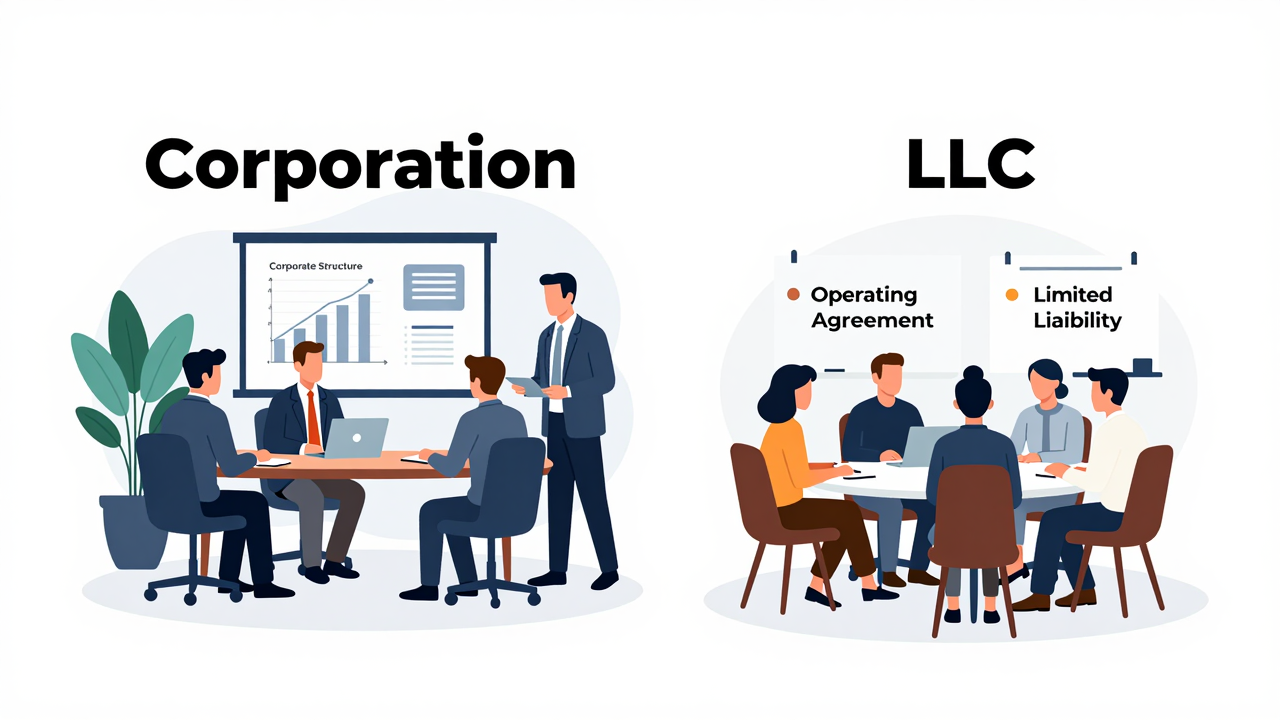
Comprehending the distinctions between a corporation and a limited liability company (LLC) is essential for anyone looking to establish a business structure.
Corporations require a board of directors and must adhere to more formalities, whereas LLCs offer a flexible management structure with fewer regulatory requirements.
One significant difference is taxation; corporations face double taxation on profits, whereas LLCs typically enjoy pass-through taxation, meaning profits are taxed only at the owner’s individual tax rate.
Furthermore, LLCs can have an unlimited number of members, whereas corporations are restricted in the number of shareholders based on their structure.
Profit distribution likewise varies; corporations must follow shareholder agreements, but LLCs allow more flexibility in sharing profits among members regardless of ownership percentage.
Finally, LLCs can choose to be taxed as corporations if it benefits them, providing further flexibility in tax treatment that corporations don’t have.
Types of LLCs
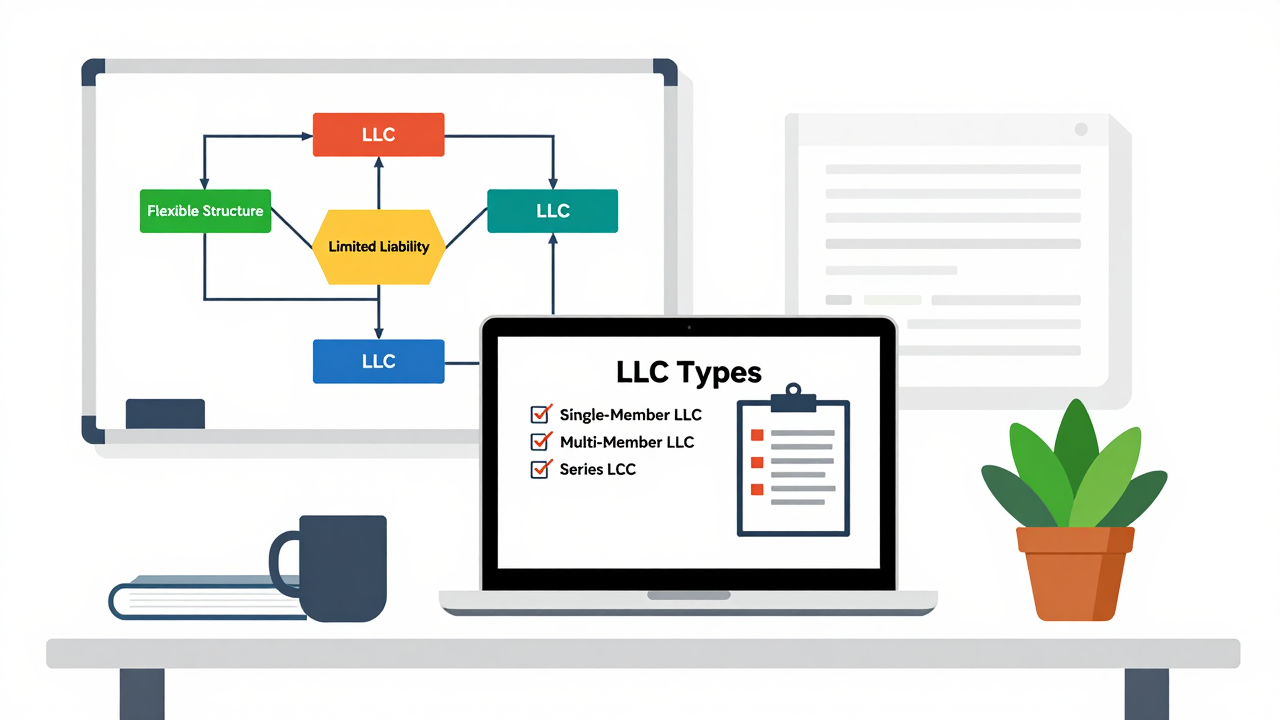
In regard to the types of LLCs, you’ll find several structures to take into account, each serving different needs.
A Member-Managed LLC allows all members to participate in day-to-day operations, whereas a Manager-Managed LLC designates specific members or managers to handle business affairs.
Moreover, Series LLCs provide a unique option for creating multiple sub-LLCs under a single parent entity, offering asset protection and operational flexibility.
Member-Managed LLC
A Member-Managed LLC is a popular structure that allows all members to take an active role in the everyday operations and decision-making processes of the business. In this model, each member typically holds equal authority except stated otherwise in the operating agreement. This approach encourages shared responsibility and involvement, making it attractive for small businesses and startups. Member-Managed LLCs usually don’t require formalities like regular meetings or minutes, simplifying operations compared to corporations. Members can as well appoint managers for specific tasks during maintaining overall control of the business.
| Feature | Member-Managed LLC | Notes |
|---|---|---|
| Authority | Equal among members | Except specified in the agreement |
| Formalities | Minimal | No required meetings or minutes |
| Flexibility | High | Informal management style |
| Common Use | Small businesses | Popular among startups |
| Decision-making | Collaborative | All members participate |
Manager-Managed LLC
In a Manager-Managed LLC, specific individuals or entities are appointed as managers to oversee daily operations, allowing members to adopt a more passive role in management.
This structure can include both members and non-members, providing flexibility in choosing qualified individuals. The decision to establish a Manager-Managed LLC must be clearly stated in the Articles of Organization or Operating Agreement, ensuring governance clarity from the start.
With managers typically having the authority to make operational decisions, this arrangement streamlines decision-making processes, which is especially beneficial for businesses with multiple members.
Here are three key benefits of a Manager-Managed LLC:
- Delegation of responsibilities to experienced professionals.
- Streamlined decision-making without constant member approval.
- Flexibility in management structure for diverse needs.
Series LLC
Following the Manager-Managed LLC structure, the Series LLC presents another innovative option for organizing your business. This structure features a parent LLC with one or more sub-LLCs, each operating as a separate entity during the benefits of shared resources. Originating in Delaware in 1996, not all states recognize Series LLCs, so it’s crucial to check your state’s regulations. Each sub-LLC can hold its own assets and liabilities, allowing you to manage risks effectively. This setup simplifies management and reduces costs, as you only need to maintain the parent entity whilst granting independence to sub-entities. The liability protection guarantees debts of one sub-LLC don’t impact others.
| Feature | Series LLC | Traditional LLC |
|---|---|---|
| Structure | Parent and sub-LLCs | Single entity |
| Liability | Segregated | Shared |
| Costs | Lower | Higher |
LLC Formation Process
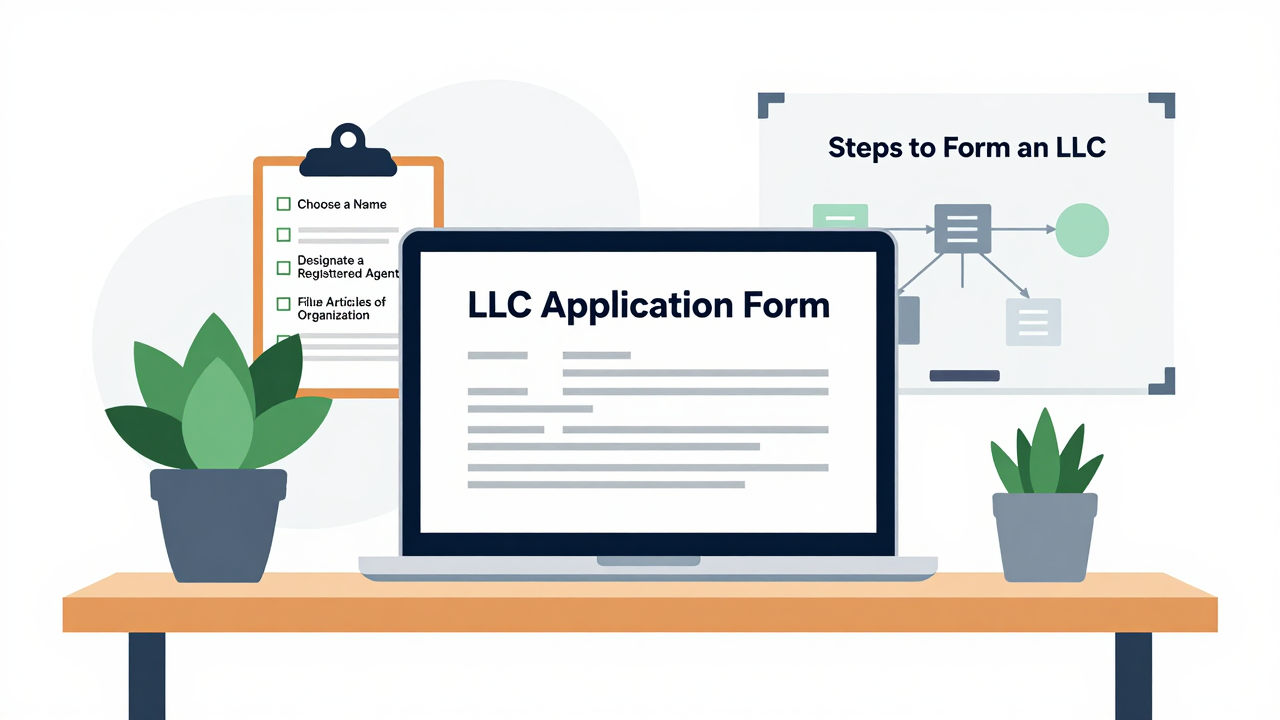
When you’re ready to form your LLC, the first step is choosing a formation state that aligns with your business needs.
Next, you’ll need to file Articles of Organization, which detail your LLC’s name, address, purpose, and registered agent.
Although an Operating Agreement isn’t always mandatory, creating one can help clarify management roles and ownership responsibilities.
Choosing a Formation State
How do you choose the right state to form your LLC? Start by considering where you’ll primarily conduct business to minimize compliance burdens and costs. Each state has unique regulations and fees, so research these aspects thoroughly.
Here are three key factors to keep in mind:
- Cost of Formation: Compare filing fees and ongoing costs, as they can vary widely.
- Business-Friendly Laws: States like Delaware and Nevada offer advantages such as fewer restrictions and potential tax benefits.
- Licensing Requirements: Make certain you understand the licenses and permits needed to operate legally in your chosen state.
If you plan to operate in multiple states, bear in mind that foreign qualification may be necessary to comply with local laws.
Filing Articles of Organization
After selecting the right state for your LLC, the next step in the formation process is filing the Articles of Organization. This document typically includes your LLC’s name, address, purpose, and registered agent details, and it must be submitted to the Secretary of State in your chosen state.
Depending on the state, you may need to pay a filing fee which varies, serving as legal proof of your LLC’s existence for banking and tax needs. Many states offer standard forms to simplify this process.
Furthermore, some require you to specify whether your LLC will be member-managed or manager-managed. Once approved, the Articles grant limited liability protection, safeguarding your personal assets from business debts.
Creating an Operating Agreement
A well-crafted Operating Agreement is essential for any LLC, as it lays the groundwork for the company’s internal structure and governance.
Though not always legally required, having one helps prevent disputes and clarifies expectations among members.
Here are three key elements to include in your Operating Agreement:
- Ownership Rights: Clearly define each member’s ownership percentage and profit-sharing arrangements.
- Decision-Making Procedures: Establish how decisions will be made, including meeting protocols and member roles.
- Flexibility for Changes: Include processes for adding or removing members to adapt to changing business needs.
Customizing your Operating Agreement to fit your LLC’s unique goals improves clarity, accountability, and operational efficiency, ultimately supporting your business’s success.
Management Structures in an LLC
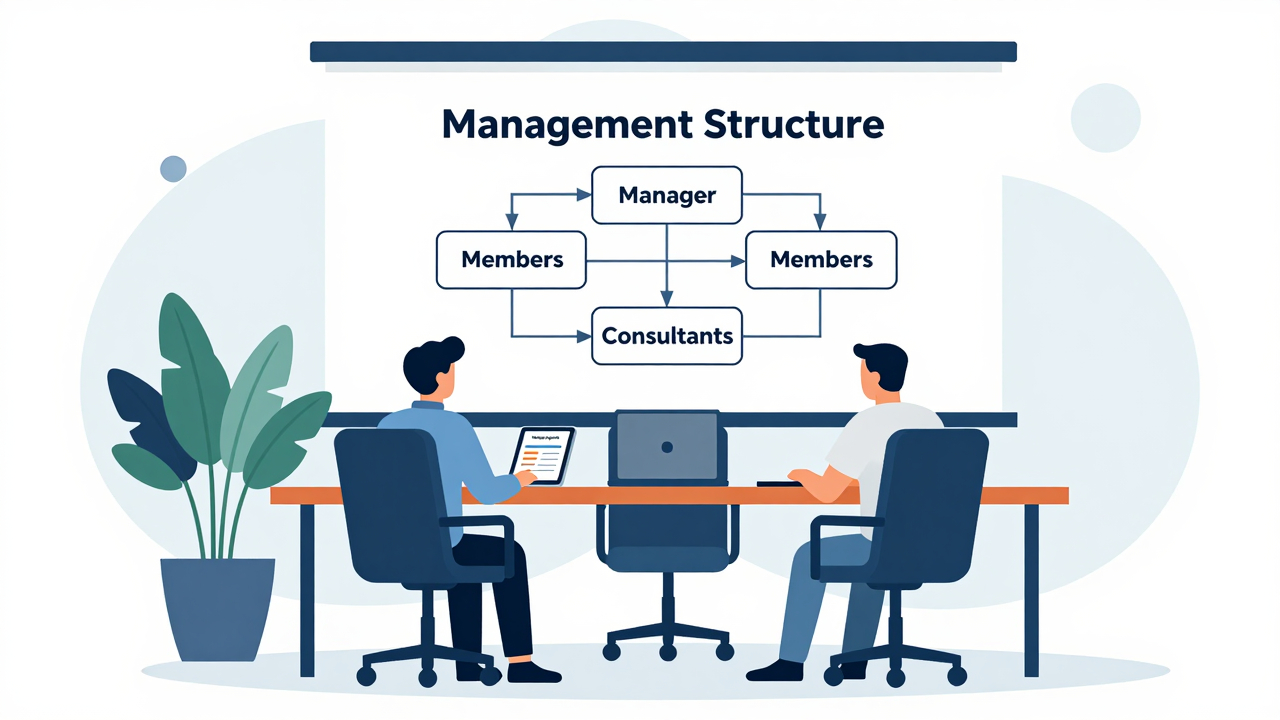
Comprehending the management structures in a Limited Liability Company (LLC) is important for ensuring effective operations and decision-making. An LLC can be either member-managed or manager-managed. In a member-managed LLC, all owners actively participate in the business’s operations and share equal authority in decision-making. Conversely, in a manager-managed LLC, designated managers—who can be non-members—handle day-to-day activities, allowing members to take a more passive role.
It’s significant to outline your chosen management structure in the operating agreement for clarity among members. Some states additionally require this information in formation documents, so knowing state-specific regulations is crucial. If you decide to change the management structure, keep in mind that it requires unanimous consent from all members and an amendment to the operating agreement.
| Structure Type | Authority Level | Member Participation |
|---|---|---|
| Member-Managed | Equal among members | Active participation |
| Manager-Managed | Appointed managers | Passive participation |
| Member-Managed | Must be specified | All members involved |
| Manager-Managed | Can include non-members | Limited involvement |
| Structure Changes | Requires unanimous consent | Amendment needed |
Tax Considerations for LLCs
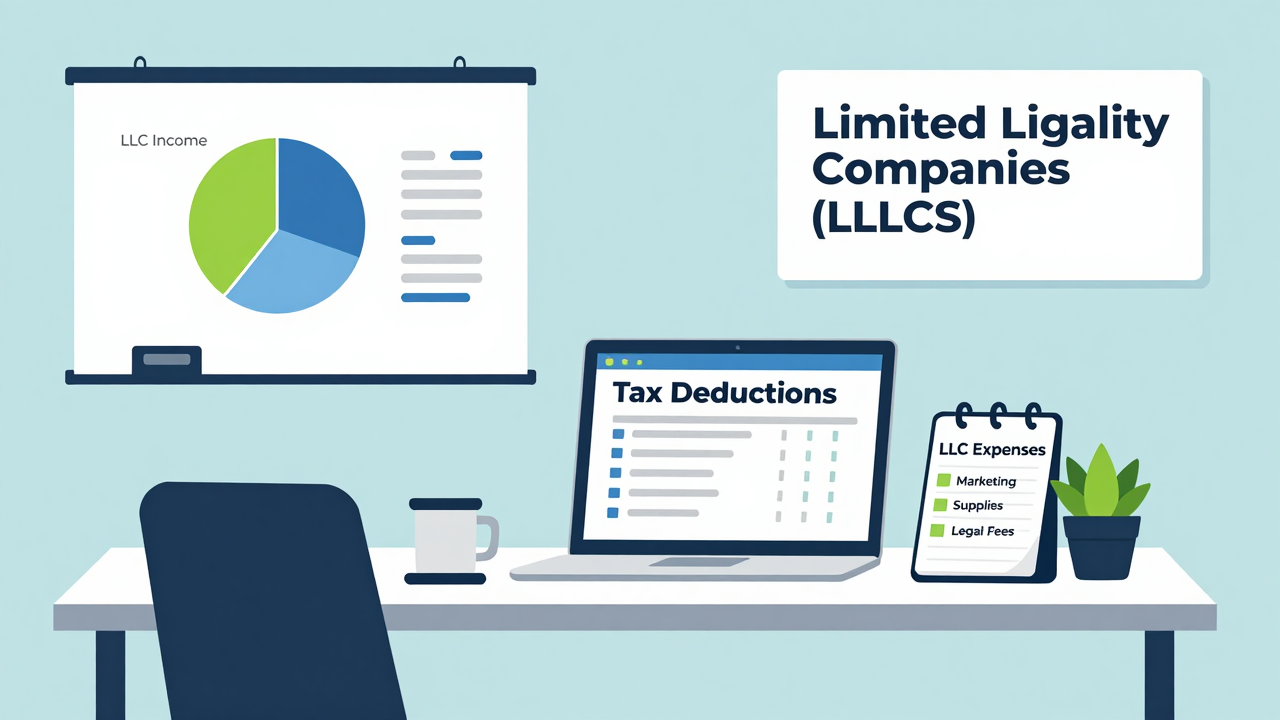
Comprehending the tax terrain for Limited Liability Companies (LLCs) is essential for business owners, as it directly impacts their financial obligations and planning strategies.
LLCs are typically treated as pass-through entities, meaning profits and losses flow through to your personal tax returns, avoiding double taxation.
Here are key tax considerations to keep in mind:
- Filing Requirements: Multi-member LLCs file Form 1065 and receive Schedule K-1s, whereas single-member LLCs report on Schedule C, E, or F.
- Tax Elections: You can elect to be taxed as a corporation (C Corp or S Corp), which might offer tax benefits based on your situation.
- State Taxes: Be aware of state-specific franchise taxes, as they can vary greatly, impacting your overall tax burden.
Understanding these aspects will help you navigate your LLC’s tax obligations effectively.
Legal Considerations for LLCs
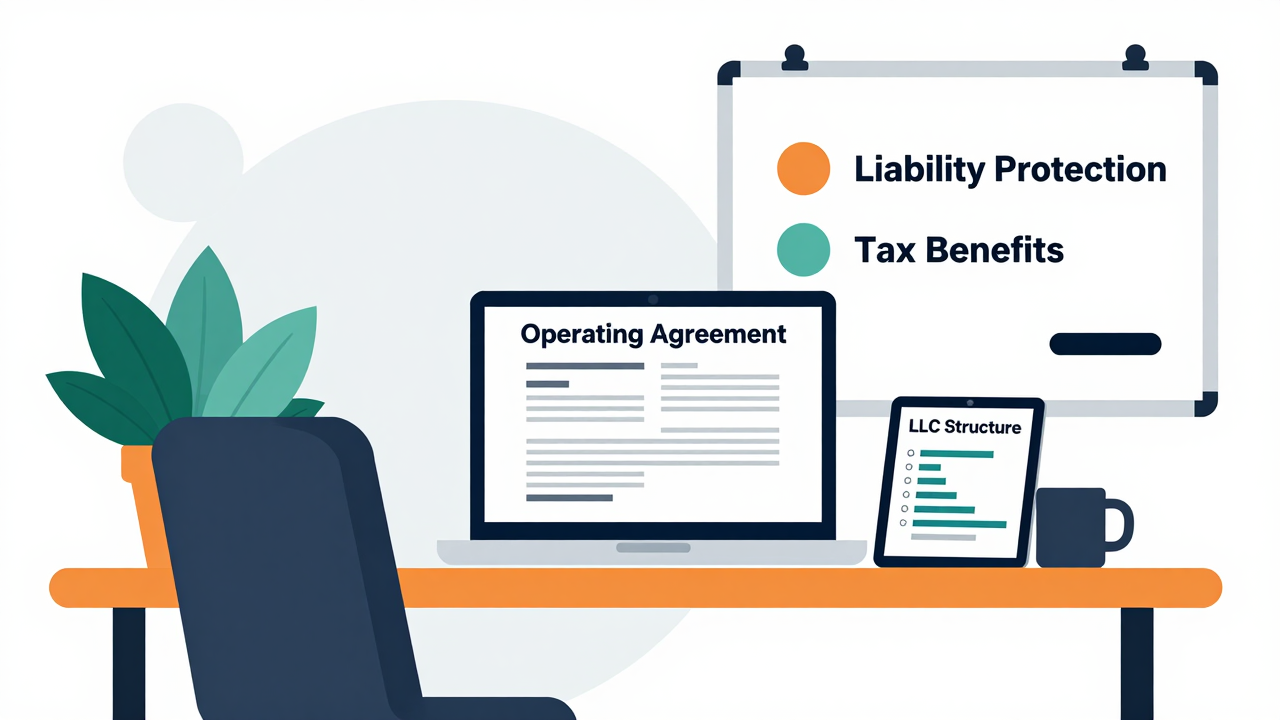
When establishing a Limited Liability Company (LLC), grasp of the legal considerations is vital to guarantee compliance and protect your interests.
First, you must file Articles of Organization with your state, providing necessary details like the LLC name, address, purpose, and registered agent.
Even though not required in all states, creating an Operating Agreement is significant; it outlines your LLC’s management structure, ownership distribution, and operational procedures.
To maintain your limited liability status, you need to comply with state-specific regulations, which often include filing annual reports and keeping a registered agent.
Be cautious not to mix personal and business finances, as this can lead to “piercing the corporate veil,” potentially exposing your personal assets to business debts or legal actions.
Bottom Line on LLCs
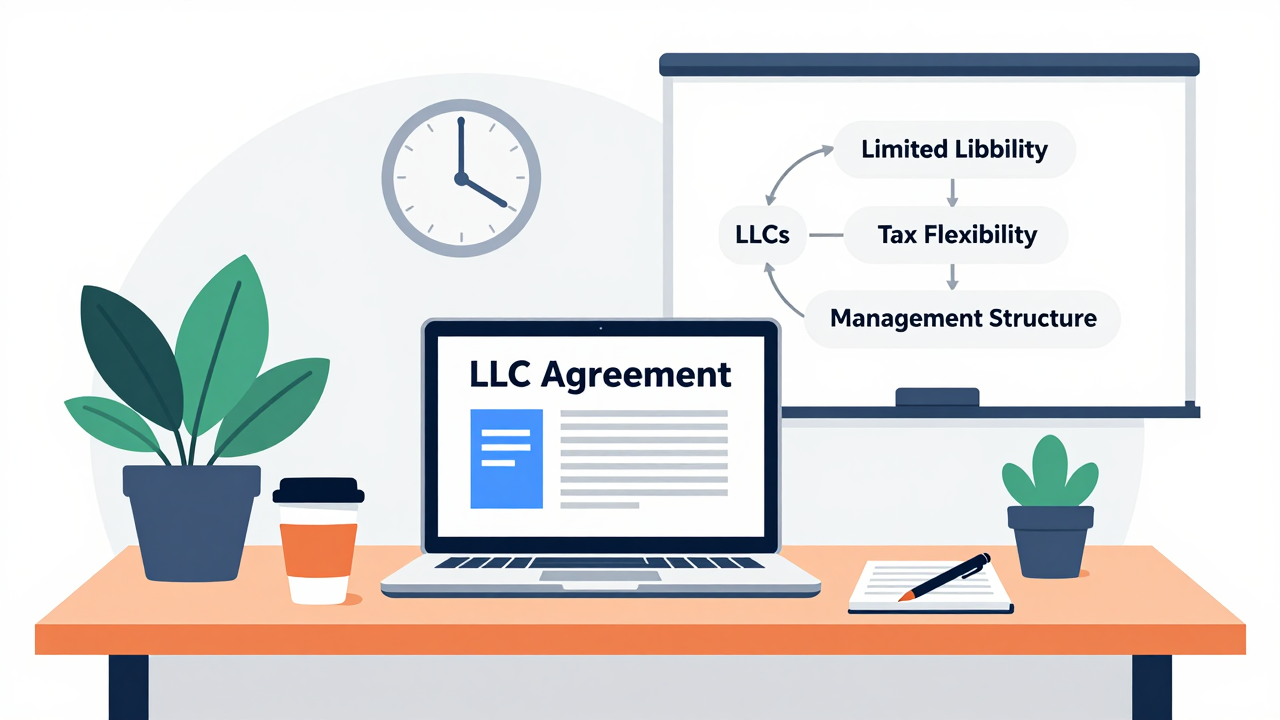
When considering an LLC, you should weigh its key benefits against the factors involved in formation.
LLCs offer personal asset protection and flexible management structures, making them a popular choice for small business owners.
Nevertheless, you’ll additionally need to factor in the higher startup and maintenance costs to decide if the advantages justify the investment.
Key Benefits of LLCs
Limited Liability Companies (LLCs) offer a range of key benefits that make them an appealing choice for many business owners.
Here are three significant advantages you should consider:
- Personal Asset Protection: LLCs protect your personal assets from business debts and legal claims, ensuring your wealth remains secure.
- Tax Flexibility: You can choose how your LLC is taxed—either as a sole proprietorship, partnership, or corporation—helping to minimize your overall tax burden.
- Enhanced Credibility: Registering your business as an LLC signals legitimacy to customers and suppliers, boosting your reputation in the marketplace.
With fewer formalities and compliance obligations compared to corporations, managing an LLC can be easier, allowing you to focus on growing your business effectively.
Considerations for Formation
Forming an LLC requires careful consideration of several key factors that can impact your business’s success.
First, you gain personal asset protection, ensuring your assets aren’t at risk from business debts.
In addition, LLCs benefit from pass-through taxation, allowing profits to appear on your personal tax return and avoiding double taxation.
The formation process includes filing Articles of Organization and adhering to ongoing compliance requirements like annual reports and fees.
You likewise have the flexibility to choose a management structure, whether member-managed or manager-managed, tailoring operations to your preferences.
Moreover, LLCs can have an unlimited number of members, including individuals and corporations, creating diverse ownership options that can improve investment opportunities for your business.
Frequently Asked Questions

Should My LLC Be an S or C Corp?
Deciding whether your S Corp should be taxed as an C Corp depends on your business goals.
An S Corp offers pass-through taxation, which can save you on self-employment taxes, whereas a C Corp faces double taxation but may allow for lower corporate tax rates on reinvested profits.
Consider your profit distribution strategy and long-term plans to choose the option that best aligns with your financial and operational objectives.
How Does an LLC Work for Dummies?
An LLC, or Limited Liability Company, combines personal liability protection with flexible tax options.
When you form an LLC, you separate your personal assets from business debts. This means creditors can’t pursue your home or savings if the business fails.
You’ll file Articles of Organization with your state, and you can choose to manage it yourself or appoint managers.
Income typically passes through to your personal tax returns, avoiding double taxation.
What Is the Hierarchy of an LLC?
In an LLC, the hierarchy starts with members, who are the owners. You can choose to manage the company directly or appoint managers for daily operations.
The structure can be member-managed, where all members participate, or manager-managed, where specific individuals handle management tasks. An operating agreement outlines these roles and responsibilities, in addition to profit distribution and decision-making.
Moreover, a registered agent is essential for receiving legal documents and ensuring compliance.
How Should an LLC Owner Pay Himself?
As an LLC owner, you can pay yourself through owner draws, taking profits directly from the business without classifying it as a salary.
If you operate a single-member LLC, you report income on your personal tax return via Schedule C.
In a multi-member LLC, distributions follow your ownership percentage.
If taxed as an S Corporation, you must pay yourself a reasonable salary, with any excess treated as dividends.
Keep accurate records for compliance.
Conclusion
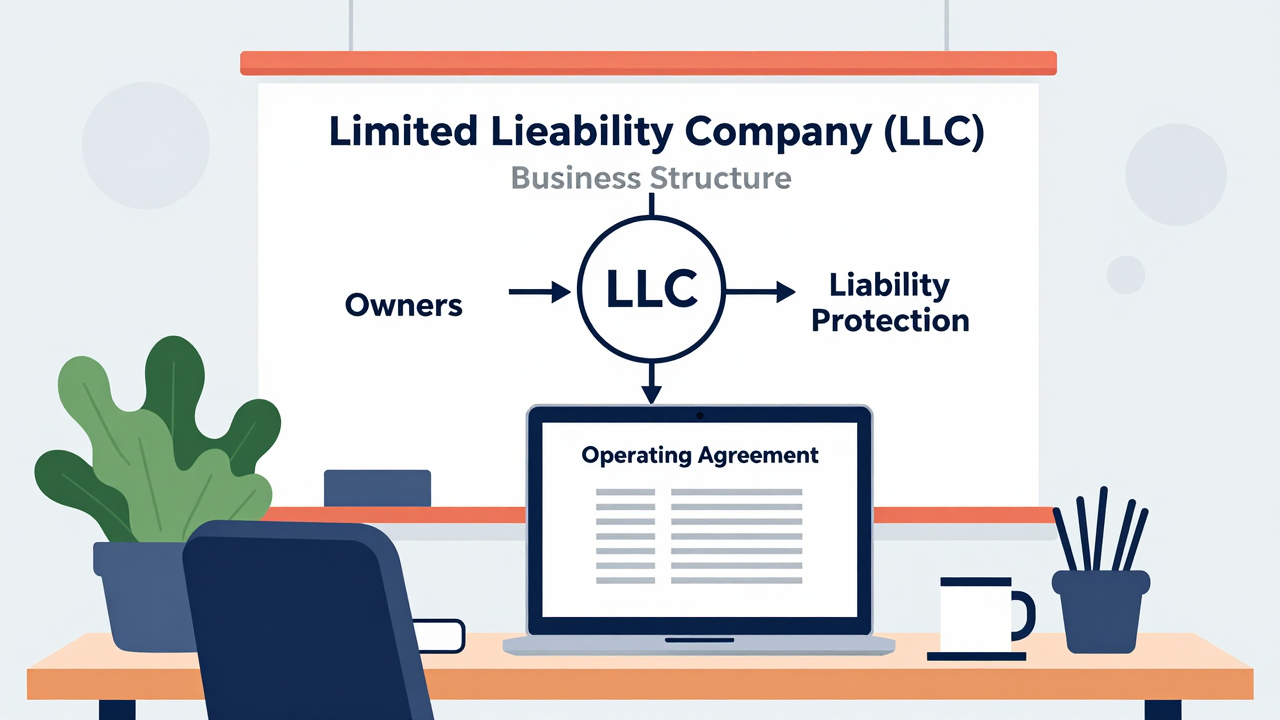
In conclusion, forming a Limited Liability Company (LLC) offers business owners a blend of liability protection and tax advantages. With flexible management structures and fewer formalities, LLCs can be customized to fit diverse ownership needs. Even though they come with some disadvantages, such as self-employment taxes, the benefits often outweigh these concerns. By comprehending the nuances of LLCs, you can make informed decisions that align with your business goals and protect your personal assets effectively.
Image via Google Gemini and Small Business Trends
This article, “Understanding Limited Liability Company Structure” was first published on Small Business Trends